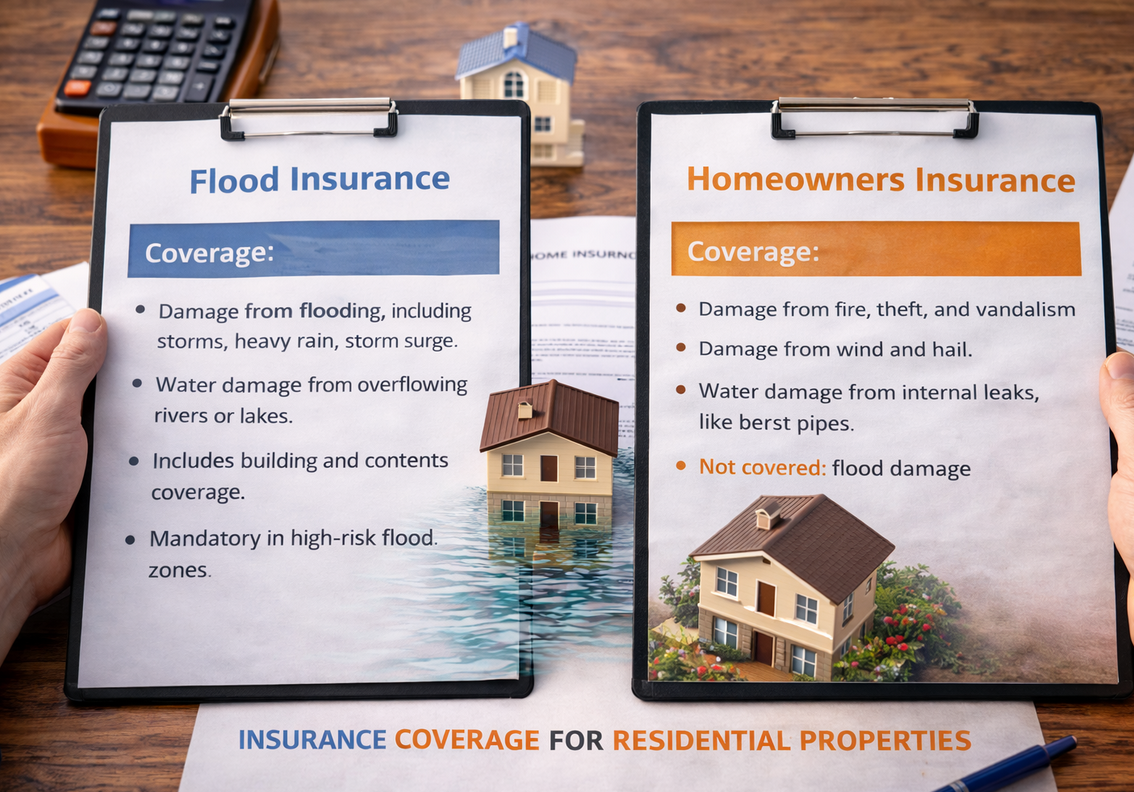
When severe storms, hurricanes, heavy rainfall, and rising water levels threaten homes every year, having the right insurance policy becomes more important than ever. Many homeowners mistakenly believe their standard home insurance policy automatically covers flood damage. Unfortunately, that assumption can lead to devastating financial losses.
That is why homeowners insurance with flood coverage has become one of the most searched and valuable insurance topics in the United States. Homeowners want complete protection for their property, belongings, and financial future. Whether you live in a coastal city, near rivers, or even in low-risk flood zones, understanding flood coverage can save you thousands of dollars.
In this comprehensive guide, you will learn everything about homeowners insurance with flood coverage, including what it covers, what it excludes, how much it costs, how to choose the best policy, ways to reduce premiums, and why flood insurance is essential in 2026.
What Is Homeowners Insurance With Flood Coverage?
Homeowners insurance with flood coverage refers to a home insurance solution that protects homeowners against flood-related damages in addition to standard property coverage.
Traditional homeowners insurance policies typically cover:
- Fire damage
- Theft
- Windstorms
- Hail
- Liability claims
- Vandalism
- Certain water damages
However, flood damage caused by external rising water is usually excluded.
Flood coverage is often added through:
- A separate flood insurance policy
- An endorsement or rider
- Private flood insurance providers
- Government-backed flood insurance programs
Without flood coverage, homeowners may have to pay out of pocket for:
- Structural repairs
- Flooring replacement
- Mold remediation
- Furniture replacement
- Electrical repairs
- Foundation restoration
Why Flood Coverage Is More Important Than Ever
Climate change and extreme weather events have increased flooding risks worldwide. Many areas previously considered “safe zones” are now experiencing flash floods and storm surges.
According to industry data, even one inch of floodwater can cause tens of thousands of dollars in damage. This makes homeowners insurance with flood coverage a crucial financial safety net.
Rising Flood Risks in Urban Areas
Urban development creates more concrete surfaces, reducing natural drainage. As a result:
- Rainwater accumulates faster
- Drainage systems become overwhelmed
- Flash floods happen unexpectedly
Even homeowners outside official flood zones can experience costly water damage.
Mortgage Lender Requirements
Many mortgage lenders now require flood insurance if your property is located in high-risk flood areas.
Without proper coverage:
- Mortgage approval may be denied
- Loan terms may worsen
- Property value may decrease
What Does Homeowners Insurance With Flood Coverage Include?
Coverage depends on the provider and policy type, but most policies protect both the structure and personal belongings.
1. Structural Coverage
This protects the physical structure of your home, including:
- Foundation
- Walls
- Roof
- Electrical systems
- Plumbing
- HVAC systems
- Water heaters
- Cabinets
- Flooring
Structural flood damage repairs can easily exceed $50,000 after a major flood event.
2. Personal Property Coverage
Flood insurance may also cover belongings such as:
- Furniture
- Electronics
- Clothing
- Appliances
- Rugs
- Valuable items
Some policies offer replacement cost coverage instead of actual cash value, which can significantly increase claim payouts.
3. Detached Structures
Certain policies may protect:
- Garages
- Storage sheds
- Workshops
- Fences
Coverage limits often apply separately.
4. Temporary Living Expenses
Premium homeowners insurance with flood coverage may include:
- Hotel expenses
- Temporary rentals
- Food costs
- Relocation expenses
This feature is especially valuable after severe flooding disasters.
What Is NOT Covered by Flood Insurance?
Understanding exclusions is critical before purchasing a policy.
Common exclusions include:
- Swimming pools
- Landscaping
- Cash and securities
- Vehicles
- Outdoor property
- Mold caused by negligence
- Sewer backups without endorsement
Always review policy documents carefully.
Difference Between Water Damage and Flood Damage
One of the biggest misunderstandings in insurance involves the distinction between water damage and flooding.
Water Damage
Usually covered under standard homeowners insurance if sudden and accidental:
- Burst pipes
- Appliance leaks
- Roof leaks from storms
Flood Damage
Typically excluded unless you have dedicated flood coverage:
- Overflowing rivers
- Storm surges
- Heavy rainfall accumulation
- Flash floods
Knowing this distinction can prevent denied claims.
Types of Homeowners Insurance With Flood Coverage
There are several options available in today’s insurance market.
1. Government Flood Insurance
Many homeowners purchase policies backed by national flood programs.
Benefits include:
- Standardized coverage
- Reliable underwriting
- Widely accepted by lenders
However, coverage limits may be lower than private insurers.
2. Private Flood Insurance
Private insurers offer more flexible options, including:
- Higher coverage limits
- Faster claim processing
- Additional living expense coverage
- Basement protection
Private policies are becoming increasingly popular among high-value homeowners.
3. Hybrid Insurance Policies
Some insurers now bundle homeowners insurance with flood coverage into one convenient package.
Advantages include:
- Simplified billing
- Unified claims process
- Better discounts
- Easier policy management
How Much Does Homeowners Insurance With Flood Coverage Cost?
Pricing depends on multiple risk factors.
Main Factors Affecting Premiums
Location
Homes near:
- Rivers
- Lakes
- Coastlines
- Flood plains
usually pay higher premiums.
Home Elevation
Elevated homes generally receive lower rates because they face reduced flood risk.
Property Value
More expensive homes require higher coverage limits.
Construction Materials
Flood-resistant materials can lower premiums.
Deductible Amount
Higher deductibles often reduce monthly costs.
Average Cost of Flood Coverage
Typical annual flood insurance premiums may range from:
- $400 to $1,500 for moderate-risk homes
- $2,000+ for high-risk flood zones
Luxury homes may require specialized policies costing significantly more.

Best Homeowners Insurance With Flood Coverage Features
When comparing insurance providers, look for these essential features.
High Coverage Limits
Ensure the policy fully protects:
- Dwelling value
- Personal property
- Reconstruction costs
Replacement Cost Coverage
Replacement cost policies pay the actual cost to replace damaged items rather than depreciated value.
This is especially important after catastrophic floods.
Fast Claims Processing
Top insurers provide:
- Digital claims filing
- Emergency response teams
- Rapid payouts
Quick claims processing helps homeowners recover faster.
Flexible Deductibles
Choose deductibles that balance affordability with adequate protection.
Additional Living Expense Protection
This feature can cover temporary relocation costs while your home is repaired.
Why High CPC Insurance Keywords Matter
Insurance-related keywords generate some of the highest advertising revenue online because insurance companies compete aggressively for leads.
Keywords like:
- homeowners insurance with flood coverage
- flood insurance quotes
- best flood insurance providers
- cheap flood insurance
- flood damage claims
often have very high CPC rates in Google AdSense.
Financial advertisers spend heavily because customer lifetime values are extremely high.
How to Choose the Best Homeowners Insurance With Flood Coverage
Selecting the right policy requires careful comparison.
Compare Multiple Quotes
Never buy the first policy you see.
Compare:
- Premiums
- Deductibles
- Exclusions
- Claim reputation
- Coverage limits
Shopping around can save hundreds annually.
Check Financial Strength Ratings
Choose insurers with strong financial stability to ensure claims are paid after major disasters.
Understand Waiting Periods
Many flood policies include waiting periods before coverage becomes active.
Do not wait until storm season approaches.
Read the Fine Print
Pay attention to:
- Exclusions
- Sublimits
- Basement restrictions
- Mold limitations
Flood Zones Explained
Flood zones significantly impact insurance costs.
High-Risk Zones
These areas face greater flooding probability and often require mandatory flood insurance.
Moderate-Risk Zones
Flooding is possible but less frequent.
Policies are still strongly recommended.
Low-Risk Zones
Even low-risk zones can experience unexpected flooding.
A large percentage of flood claims come from low-risk areas.
Common Flood Insurance Claims
Understanding common claims helps homeowners prepare.
Hurricane Flooding
Storm surges can cause catastrophic damage to coastal homes.
Flash Floods
Heavy rain can overwhelm drainage systems quickly.
River Overflow
Nearby rivers can rise unexpectedly after storms.
Snowmelt Flooding
Rapid snowmelt can create dangerous water accumulation.
Tips to Lower Flood Insurance Costs
You can reduce premiums using smart risk-management strategies.
Elevate Utilities
Move electrical systems and HVAC units above flood levels.
Install Flood Vents
Flood vents reduce structural pressure during flooding.
Improve Drainage
Better drainage systems help prevent water accumulation.
Bundle Insurance Policies
Combining home and flood insurance may qualify for discounts.
Increase Deductibles
Higher deductibles often lower monthly premiums.
Home Improvements That Help Prevent Flood Damage
Preventive upgrades protect both your home and insurance costs.
Waterproof Basements
Seal cracks and install sump pumps.
Elevate Appliances
Raise major appliances above potential flood levels.
Use Flood-Resistant Materials
Choose:
- Tile flooring
- Concrete surfaces
- Water-resistant insulation
Landscape Strategically
Proper grading helps redirect water away from your property.
The Future of Flood Insurance in 2026
The flood insurance industry is rapidly evolving.
AI Risk Assessment
Insurers now use artificial intelligence to evaluate:
- Weather patterns
- Flood probabilities
- Property vulnerabilities
This creates more personalized pricing.
Smart Home Integration
Smart sensors can detect leaks and rising water early.
Some insurers offer discounts for smart home technology.
Climate-Based Pricing Models
Future insurance pricing may rely heavily on climate data and predictive analytics.
Mistakes Homeowners Make When Buying Flood Insurance
Avoid these common errors.
Assuming Standard Insurance Covers Floods
This is the most dangerous misconception.
Buying Minimal Coverage
Underinsured homes can create massive financial gaps.
Ignoring Policy Exclusions
Always understand what is excluded before purchasing.
Waiting Until Storm Season
Flood policies may include waiting periods.
Benefits of Having Comprehensive Flood Coverage
The right policy offers significant long-term advantages.
Financial Protection
Flood repairs can bankrupt unprepared homeowners.
Peace of Mind
Knowing your home is protected reduces stress during severe weather.
Faster Recovery
Insurance helps families rebuild quickly after disasters.
Mortgage Compliance
Maintaining flood insurance keeps lenders satisfied.
Best Situations to Buy Homeowners Insurance With Flood Coverage
Flood coverage is especially important if:
- You live near water
- Your area experiences heavy rainfall
- Your basement floods easily
- You own a high-value property
- You want complete financial protection
Even inland properties increasingly face flood risks.
Frequently Asked Questions
Is flood insurance mandatory?
It depends on your location and mortgage lender requirements.
Can renters buy flood insurance?
Yes. Renters can purchase personal property flood coverage.
Does flood insurance cover mold?
Sometimes, but only if directly caused by covered flooding.
Are cars covered by flood insurance?
No. Vehicle flood damage typically falls under auto insurance comprehensive coverage.
How long does flood claim processing take?
Processing times vary by insurer and disaster severity.
How to File a Flood Insurance Claim
After flooding occurs:
- Contact your insurer immediately
- Document all damage with photos
- Prevent additional damage if safe
- Save receipts for temporary repairs
- Meet with insurance adjusters
- Keep detailed records
Fast action improves claim outcomes.
Why Homeowners Insurance With Flood Coverage Is Worth It
Many homeowners hesitate to buy flood coverage because they believe flooding is unlikely. However, the cost of a single flood event can far exceed years of insurance premiums.
A properly structured homeowners insurance with flood coverage policy protects:
- Your home
- Your savings
- Your family
- Your future financial stability
In today’s unpredictable climate environment, flood coverage is no longer optional for many property owners.
Final Thoughts
Choosing the best homeowners insurance with flood coverage is one of the smartest financial decisions homeowners can make in 2026. With rising weather risks, expensive property repairs, and evolving insurance requirements, comprehensive flood protection provides critical peace of mind.
Whether you own a modest family house, a luxury property, or a rental investment, flood insurance can help protect your most valuable assets from devastating water damage.
Before purchasing a policy:
- Compare multiple insurers
- Review exclusions carefully
- Understand flood zone classifications
- Evaluate replacement cost coverage
- Consider long-term climate risks
The right homeowners insurance with flood coverage policy can mean the difference between quick recovery and financial disaster after a major flood event.