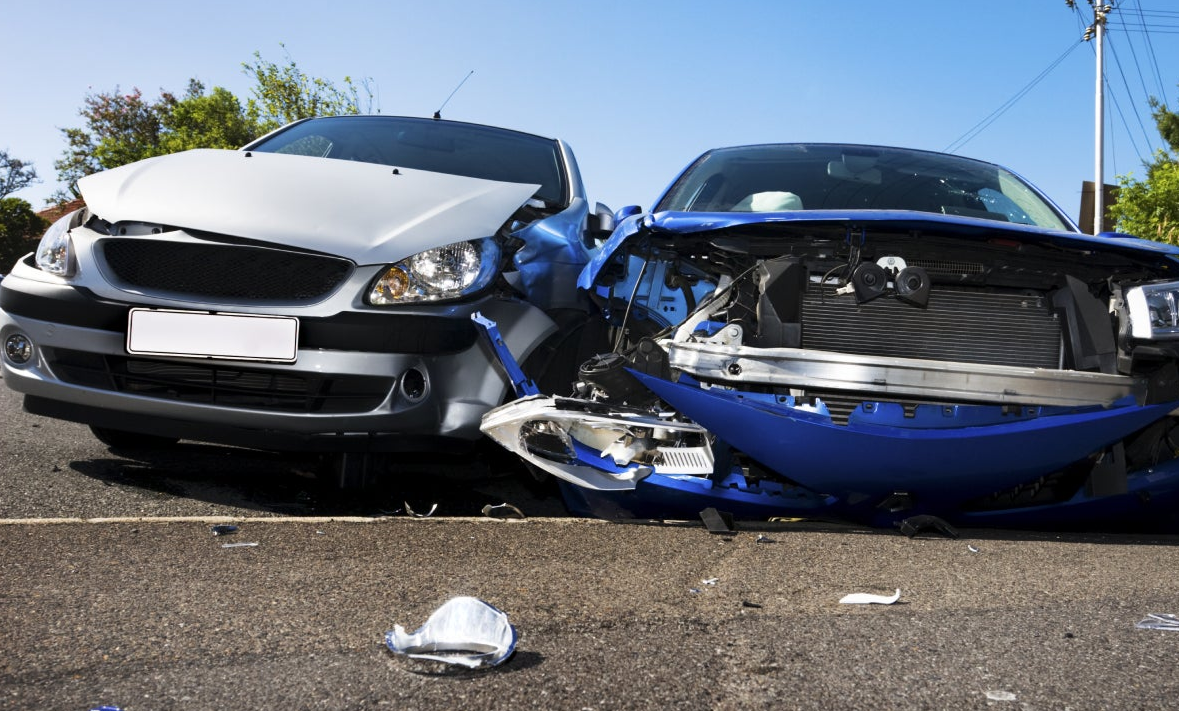
Being involved in a car crash is already stressful—but discovering that one or both drivers are uninsured can turn a difficult situation into a financial and legal nightmare. Many drivers in the United States and other countries wonder the same thing after a crash: “accident without insurance what happens next?”
The truth is, what happens next depends on your role in the accident (at-fault or not), the state laws where the crash occurred, and whether the other driver has insurance. This guide explains everything step-by-step so you understand your rights, risks, and options after an uninsured accident.
Understanding What “Driving Without Insurance” Means
Before diving into the consequences, it’s important to understand what “no insurance” actually means.
Driving without insurance usually refers to:
- No liability insurance coverage
- Expired insurance policy
- Cancelled insurance due to non-payment
- Insufficient coverage for damages
In most U.S. states, liability insurance is legally required. It covers:
- Property damage (other vehicles, buildings, etc.)
- Bodily injury (medical expenses, lost wages)
Without it, drivers are personally responsible for all costs after an accident.
Step 1: Ensure Safety and Call Emergency Services
Right after any crash, your priority is safety—not insurance status.
Even if you realize accident without insurance what happens situations are unfolding, follow standard accident procedures:
- Move to a safe area if possible
- Check for injuries
- Call emergency services (911 or local equivalent)
- Turn on hazard lights
- Avoid admitting fault at the scene
Police reports are especially important when insurance is missing because they become key legal evidence later.
Step 2: Gather Evidence Immediately
When insurance is missing, evidence becomes even more important. You must document everything carefully.
Collect:
- Photos of vehicle damage
- Photos of road conditions
- License plates of all vehicles involved
- Driver’s license information
- Witness contact details
- Police report number
If the other driver is uninsured, documentation will help determine liability and compensation options later.
Step 3: Exchange Information (Even if Uninsured)
Even if you already know the situation is an accident without insurance what happens scenario, you still need to exchange details.
Get:
- Name and address
- Driver’s license number
- Vehicle registration
- Contact information
- Vehicle description
If the other driver is uninsured, they may be hesitant—but legally, they are still required to provide identification.
Step 4: File a Police Report
A police report is critical in uninsured accidents.
Why it matters:
- Establishes official record of the crash
- Helps determine fault
- Required for insurance claims (if you have coverage)
- Can be used in court if needed
In many jurisdictions, failing to report an accident involving uninsured drivers can weaken your legal position.
Step 5: Determine Fault and Liability
One of the biggest factors in “accident without insurance what happens” cases is who caused the accident.
If the other driver is at fault:
You may be able to recover damages through:
- Their personal assets (lawsuit)
- Uninsured Motorist Coverage (if you have it)
- State victim compensation funds (in some regions)
If you are at fault:
You may be personally responsible for:
- Vehicle repairs
- Medical bills
- Property damage
- Legal claims from the other party
Step 6: Check Your Own Insurance Coverage
Even if the other driver is uninsured, your own policy may protect you.
Look for:
1. Uninsured Motorist Coverage (UM)
Covers:
- Medical expenses
- Lost wages
- Pain and suffering
2. Collision Coverage
Covers:
- Your vehicle repairs regardless of fault
3. Personal Injury Protection (PIP)
Covers:
- Medical expenses (in no-fault states)
If you have these, your financial burden can be significantly reduced.
Step 7: What Happens If You Have No Insurance
Now let’s answer the core question: accident without insurance what happens if you are uninsured?
If you are uninsured and at fault, consequences can include:
Financial Liability
You must personally pay for:
- Medical bills
- Car repairs
- Damaged property
Legal Consequences
Depending on your location:
- Fines and penalties
- License suspension
- Vehicle impoundment
- Court judgments
Lawsuits
The other party can sue you for damages, which may lead to:
- Wage garnishment
- Asset seizure (in severe cases)

Step 8: What Happens If the Other Driver Has No Insurance
If you are not at fault but the other driver is uninsured:
You may still recover compensation through:
1. Your Uninsured Motorist Policy
This is the most common protection.
2. Civil Lawsuit Against the Driver
You can sue them directly, but:
- They may not have money to pay
- Recovery can take time
3. State Compensation Funds
Some states offer funds for victims of uninsured drivers.
Step 9: Medical Treatment and Billing Issues
Medical care becomes complicated in uninsured accidents.
You may need to:
- Pay out of pocket initially
- Use health insurance
- Wait for settlement reimbursement
Hospitals typically treat injuries first and deal with payment later, but bills can accumulate quickly.
Step 10: Legal Options After an Uninsured Accident
If damages are significant, legal action may be necessary.
A personal injury lawyer can help:
- Determine liability
- File insurance claims
- Represent you in court
- Negotiate settlements
In many cases, attorneys work on contingency fees, meaning they only get paid if you win compensation.
Step 11: Can You Go to Jail for Driving Without Insurance?
In some jurisdictions, yes—especially if:
- You caused an accident
- You have repeated offenses
- The accident involved injuries or death
However, jail time is more common for serious violations rather than minor accidents.
Step 12: Long-Term Financial Impact
An uninsured accident can affect you for years:
- Debt from medical bills
- Legal judgments
- Higher future insurance premiums
- Difficulty obtaining loans or credit
This is why insurance coverage is legally required in most regions.
Step 13: How to Protect Yourself in the Future
To avoid repeating the situation:
1. Always Maintain Insurance
Even minimum liability coverage is better than none.
2. Add Uninsured Motorist Coverage
This protects you from drivers who break the law.
3. Consider Full Coverage
Includes collision and comprehensive protection.
4. Drive Defensively
Reduce the risk of accidents overall.
Step 14: Common Mistakes After an Uninsured Accident
Many people make costly mistakes when dealing with accident without insurance what happens situations:
- Admitting fault too early
- Not calling the police
- Failing to collect evidence
- Accepting cash settlements without legal advice
- Delaying medical treatment
Avoiding these mistakes can significantly improve your outcome.
Step 15: Realistic Outcome Scenarios
Let’s break down possible outcomes:
Scenario 1: You have insurance, other driver doesn’t
- Your insurer may cover damages
- You may recover costs through UM coverage
Scenario 2: You are uninsured, other driver is insured
- You may be sued
- You may owe full damages
Scenario 3: Both drivers are uninsured
- Legal disputes
- Personal liability on both sides
- Possible court involvement
Final Thoughts
Understanding accident without insurance what happens is essential for every driver. The consequences vary widely depending on fault, coverage, and local laws—but one thing is clear: driving without insurance exposes you to serious financial and legal risks.
If you are involved in an uninsured accident, the most important steps are:
- Stay calm and ensure safety
- Document everything
- Contact authorities
- Understand your legal and insurance options
Insurance is not just a legal requirement—it is financial protection that can save you from long-term hardship after an accident.